
Solve the challenge of gas yellowing and explore efficient solutions
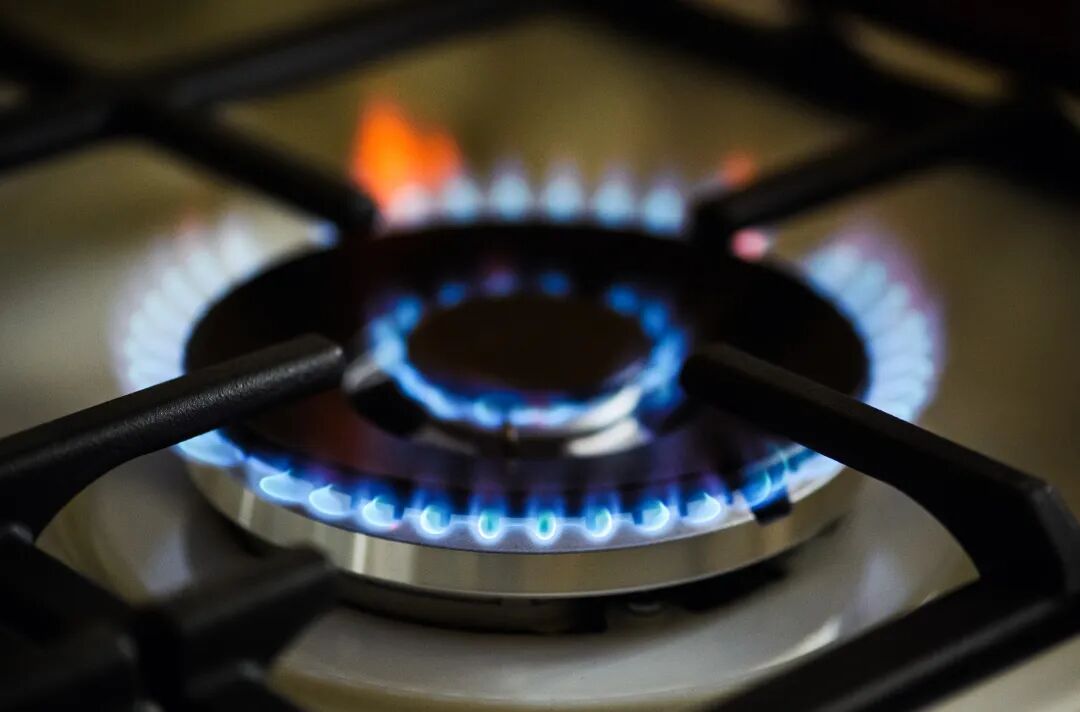
Nitrogen oxides (NOₓ) produced during combustion, particularly when reacting with sunlight and moisture in the air, form nitrates. These nitrates can react with metals or other components on the coating surface, leading to yellowing. PTN502 Gas-Resistant Anti-Yellowing Agent can help to resolve the yellowing problem of coatings caused by gas.
1. The Mystery of Gas
The commonly used gas fuels include natural gas, coal gas and liquefied petroleum gas. However, do you truly understand the differences among these three types of gas?
Sources:
Natural gas refers to the mixture of hydrocarbon-based gases found in underground rock reservoirs. Simply put, it is gas extracted from oil fields, gas fields, and coal beds, including associated gas, field gas, and coalbed methane. Coal gas is typically artificially produced and does not include coalbed methane. It is a combustible gas derived from processing coal as a raw material. Liquefied petroleum gas (LPG), also known as bottled gas, is stored in small steel cylinders (commonly referred to as gas tanks). It is obtained as a byproduct of petroleum extraction or refining.
Composition:
Natural gas mainly consists of methane (approximately 90% or more), along with light hydrocarbons such as ethane, propane, and butane, as well as small amounts of CO₂, N₂, and other impurities. Coal gas is primarily a mixture containing large amounts of carbon monoxide (CO), hydrogen (H₂), and methane (CH₄), along with minor amounts of other hydrocarbons and impurities such as ethane, propane, and nitrogen. Liquefied petroleum gas (LPG) mainly consists of propane (approximately 60% to 70%) and butane (approximately 30% to 40%).
Household Use:
If steel cylinders are used, it is definitely liquefied petroleum gas. If pipeline gas is used in households, it could be either coal gas or natural gas. The type of gas is usually specified on the utility bill.
Calorific Value:
The combustion calorific value of natural gas is 8,000 to 8,500 kcal per cubic meter. City gas (coal gas) has a calorific value of about 3,500 kcal per cubic meter. The combustion calorific value of liquefied petroleum gas is 25,200 kcal per cubic meter.
Combustion Byproducts:
The combustion products of natural gas mainly include water vapor (H₂O) and carbon dioxide (CO₂), along with small amounts of carbon monoxide (CO) and nitrogen (N₂). The combustion products of coal gas include water vapor (H₂O), carbon dioxide (CO₂), carbon monoxide (CO), nitrogen (N₂), and possibly sulfur oxides (SOₓ) and nitrogen oxides (NOₓ), depending on the composition of the gas and combustion conditions. The combustion products of liquefied petroleum gas (LPG) mainly include water vapor (H₂O) and carbon dioxide (CO₂), along with small amounts of carbon monoxide (CO) and nitrogen (N₂).
2. Yellowing of Coatings Induced by Natural Gas Combustion
Nitrogen oxides (NOₓ) produced during combustion, particularly when reacting with sunlight and moisture in the air, form nitrates. These nitrates can react with metals or other components on the coating surface, leading to yellowing.
3. Solution
Yellowing from Coal Gas:
To address yellowing issues caused by coal gas, it is recommended to use a combination of PTN503C Gas-Resistant Anti-Yellowing Agent and PTN504 Gas-Resistant Anti-Yellowing Agent, with both added at a ratio of 0.6%.
Yellowing from Natural Gas:
PTN503 Gas-Resistant Anti-Yellowing Agent is recommended, with a suggested addition rate of 0.5% to 1%. Optimizing this proportion can effectively solve the yellowing problem caused by gas.
Yellowing from Liquefied Petroleum Gas:
PTN502 Gas-Resistant Anti-Yellowing Agent, added at a ratio of 1%, can effectively address and resolve the yellowing problem of coatings caused by gas.

Recent Post